
.png)
Summer Cybersecurity: Protecting Your Business

Introduction
Summer feels relaxed, yet cybersecurity risk quietly jumps when offices empty and leaders work from the road.
That mismatch between mood and reality is exactly what cybercriminals count on.
Staff rotate out, attention drifts, and systems run on autopilot.
Approvals slow, alerts get missed, and hackers watch for the first sign of an easy target.
Cybersecurity in summer means recognizing that attackers study human schedules, not the weather report. In this article, you will see why summer becomes peak season for cybercrime, the top seasonal threats, what happens when an attack hides in your systems all summer, and how SingleWave Technologies helps organizations around St. Louis stay protected. Research from IBM, Statista, and Hiscox keeps the picture grounded in real numbers.
Now let’s look at how to keep your organization ahead of those summer attacks.
Key Takeaways
These points summarize why summer demands extra attention to cybersecurity.
Summer months often bring more phishing emails that target distracted staff. Criminals time messages to vacations. Travel themed lures feel normal. Mistakes happen faster.
Reduced staffing creates slower response when something looks odd. Alerts may sit in inboxes. Auto replies reveal who is away. Attackers test doors until one opens.
A managed IT partner such as SingleWave Technologies keeps security controls active around the clock. Monitoring does not pause for vacations. Patching stays on schedule. Your team can actually rest.
Why Do Cyberattacks Spike During Summer Months?
Cyberattacks spike in summer because people change their routines while systems keep running. When teams take vacations, oversight thins out and attackers see more gaps to exploit.
Cybercriminals follow human patterns very closely. Out of office messages tell them who has authority, who is away, and which deputy now approves invoices. A simple reply that shares dates and alternate contacts can help an attacker craft a convincing message for that exact window.
Research from the Hiscox Cyber Readiness Report shows that 41 percent of surveyed US organizations faced a cyberattack in the prior year. A Mastercard study cited by Mastercard found nearly one in five organizations hit by an attack later filed for bankruptcy or closed. Those numbers apply all year, yet summer stacks extra risk on top because detection often slows.
Here is the core problem: many midsize and larger organizations still rely on a small internal IT group or even a single security specialist. When that person spends time away, investigations stall. Alerts from tools like Microsoft Defender or Cisco firewalls may still arrive, yet no one has clear ownership to act right away.
Summer also changes how employees work. People log in from vacation rentals, airports, and family homes. Passwords get typed on personal devices. Shared family computers sometimes store those credentials. Each small shortcut adds more room for identity theft, and IBM notes that identity based attacks already account for a large share of intrusions.
For organizations across the St. Louis region, this seasonal mix of lean coverage, travel, and slower decisions creates a tempting window. Cybersecurity planning that ignores that rhythm quietly invites trouble.
The Three Biggest Summer Cybersecurity Threats to Watch
Summer cyber threats center on three patterns that repeat year after year: seasonal phishing, unsafe remote access, and neglected maintenance. Together, they create an easy opening for attackers. Understanding how each one looks in daily operations gives you a clear playbook for defense.
Even before vacations start, phishing campaigns ramp up. At the same time, remote access from hotels and airports expands the number of exposed connections. Finally, unpatched systems and forgotten admin accounts create a third threat that often links to the next section, where hidden breaches stay active for weeks.
Phishing Campaigns That Exploit the Season
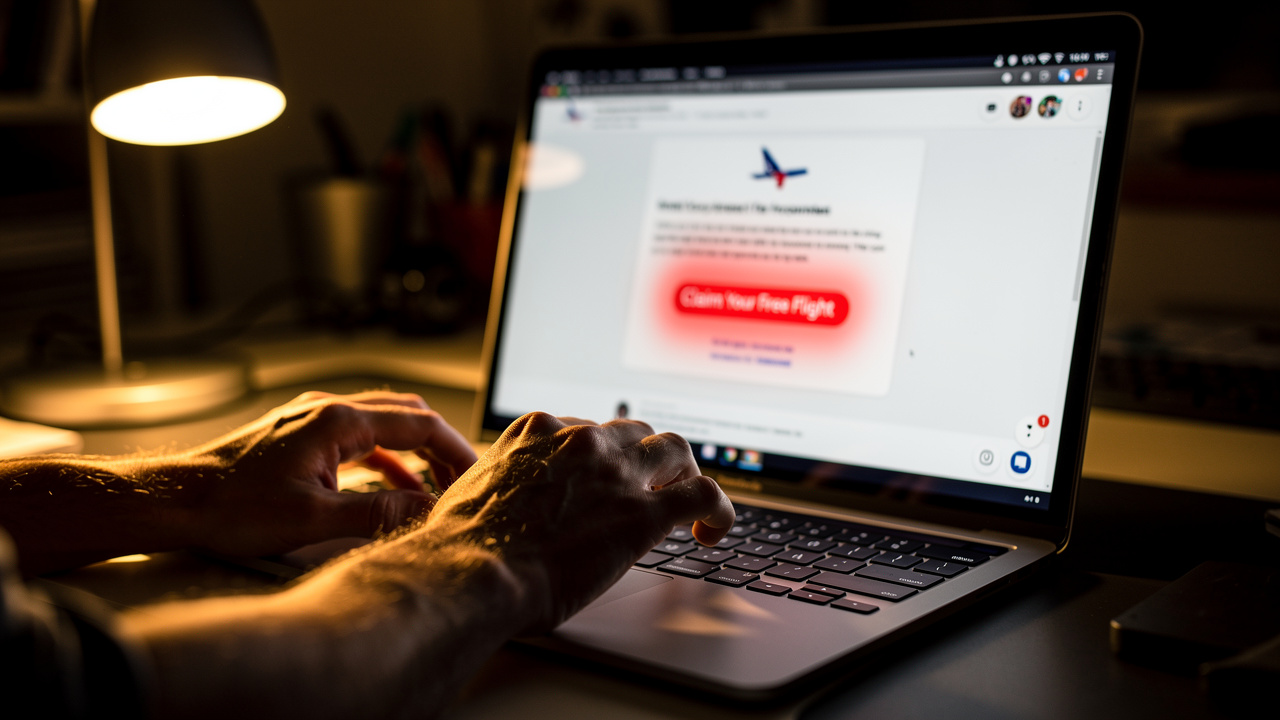
Summer themed phishing works so well because it blends into everyday email noise. Travel confirmations, package updates, event tickets, and school notices all look normal in June and July. Attackers copy that style to slip in malicious links or fake login pages.
"Amateurs hack systems; professionals hack people." — Bruce Schneier, security technologist
According to Statista, phishing starts 54 percent of ransomware attacks. In summer, that number feels even more real. Imagine a finance manager covering for a traveling executive. An email arrives that appears to confirm a conference booking along with a link to “updated travel details.” One rushed click on a phishing page and the attacker now owns that corporate Microsoft 365 account.
Spear phishing and business email compromise raise the stakes further. Criminals study LinkedIn, company websites, and those auto replies to find who approves payments while senior leaders are away, leveraging unveiling evasive ransomware and advanced social engineering techniques that make detection increasingly difficult. They then send targeted messages that match your real processes, right down to vendor names and amounts.
SingleWave Technologies counters this pattern with layered defenses. Technical controls filter known malicious domains and suspicious attachments before they hit inboxes. Just as important, practical awareness training shows employees how to question summer themed messages, even when they appear to come from trusted brands like Delta or UPS. When people and tools both stay sharp, seasonal phishing loses much of its power.
Unsecured Remote Access From Summer Travel

Remote access during summer travel turns every airport and hotel network into a possible entry point. Employees open laptops in terminals, coffee shops, and vacation rentals, then sign in to your email, ERP, and cloud apps over public Wi-Fi.
Attackers quietly watch these networks for weak encryption or poorly configured access points. They can intercept unprotected sessions or trick users into joining a fake hotspot. Once they capture usernames and passwords, they try those same credentials across many business systems. The IBM X-Force Threat Intelligence Index reports that identity focused intrusions now make up around 30 percent of attacks.
This problem did not end when offices reopened. Hybrid work made split schedules permanent, and summer multiplies the number of locations where work happens. A single unmanaged device connecting to company data from a risky network can undo years of investment in firewalls and internal controls.
SingleWave Technologies addresses this risk with managed remote access services. Encrypted VPN connections, secure cloud environments built on platforms such as Microsoft Azure, and strong identity controls keep data paths protected even on public networks. Multi factor authentication disrupts stolen passwords. Centralized logging then gives the SingleWave team near real time insight into unusual sign ins, no matter where users sit.
What Happens When a Breach Goes Undetected All Summer?
When a breach hides inside your network all summer, damage grows every day it stays unseen. The most visible cost might arrive months later on a balance sheet, yet the real harm starts within hours.
The first phase often looks minor. An attacker lands on one endpoint or gains access to a single cloud account. Without 24/7 monitoring, that step may slip through. Meanwhile the intruder quietly maps shared drives, email threads, and admin tools.
IBM reports that the average data breach now costs 4.88 million dollars worldwide. Longer detection times raise that number. The more days an attacker explores, the more records they copy, encrypt, or destroy. When leaders and key IT staff are away, response slows and dwell time extends.
Several types of damage stack up when a breach runs through the whole summer.
Financial loss grows with each system the attacker touches. Ransom payments, legal fees, and credit monitoring for affected customers add up fast. Lost productivity during downtime often hurts just as much.
Regulatory exposure increases when healthcare, legal, or nonprofit data sets are involved. Frameworks such as HIPAA and ABA guidance do not pause for vacation season. A single summer incident can trigger fines and long audits.
Reputation damage lingers beyond the technical cleanup. Donors, patients, and clients hear about the incident and may question whether to share sensitive data again. Winning back that trust often takes years.
Delayed maintenance multiplies the problem. During busy seasons, patch cycles slip and aging systems keep running with known flaws. Attackers actively scan for those unpatched weaknesses. As the World Economic Forum notes, the global cybersecurity skills gap makes it hard for internal teams to keep up with this work alone.
SingleWave Technologies reduces this risk with continuous monitoring and disciplined patch management. Automated updates keep operating systems and core applications current, while security analysts review alerts in real time. That combination shrinks the window for silent summer breaches and limits impact if an incident does occur.
How SingleWave Technologies Keeps Your Business Protected All Summer

Summer protection with SingleWave Technologies means your cybersecurity posture does not depend on who is in the office. The SingleWave team watches your environment day and night so your leadership team can step away without gambling on luck.
"Security is a process, not a product." — Bruce Schneier
At the core of SingleWave services sits managed IT and security operations. Monitoring tools track network activity, endpoints, and cloud platforms such as Microsoft 365 and Google Workspace. When a suspicious pattern appears, analysts investigate and respond instead of letting alerts pile up in someone’s inbox.
Patch management also runs on a steady schedule. Servers, workstations, and critical applications receive updates even when your internal staff focuses on other projects or time off. That approach closes common entry points before attackers reach them. Regular backups and tested recovery plans then keep your organization ready to restore systems if ransomware ever strikes.
Industry requirements across St. Louis add more nuance. Healthcare providers must protect electronic health records under HIPAA. Law firms need to follow American Bar Association guidance for client confidentiality. Nonprofit organizations handle donor and beneficiary data that carries both ethical and legal weight. SingleWave designs security controls and documentation that match those expectations without burying teams in extra work.
Most importantly, SingleWave Technologies operates as a partner rather than a distant vendor. That means learning your processes, your staff levels during summer, and the specific systems that matter most. From phishing resistant email gateways to secure remote access and clear incident playbooks, the goal is simple. Your people can enjoy their summer while your cybersecurity program stays fully awake.
Locking the Door Before Cybercriminals Walk Through It

Locking the door before cybercriminals walk through it means treating summer as a high risk window and acting early. Organizations that strengthen cybersecurity before vacation season avoid scrambling after an incident when emotions run high.
You have seen how seasonal phishing, travel based access, and delayed detection all intersect. Attackers know this pattern well and plan campaigns around it. A year round security partner shifts the advantage back to your side by keeping watch when your team takes a break.
For organizations across the St. Louis region, SingleWave Technologies fills that role. A conversation today about summer readiness can prevent a very different conversation with regulators, customers, or board members later.
Frequently Asked Questions
Question 1: Are businesses with larger teams still at risk of summer cyberattacks?
Yes, larger teams still face real summer cyber risk. Bigger headcounts usually mean more devices, more applications, and more remote access points. Vacation schedules also create new handoffs and blind spots. Proactive monitoring from a managed IT partner such as SingleWave Technologies keeps coverage steady even when internal staff rotates out.
Question 2: What is the most common way cybercriminals get into a business during summer?
The most common entry path during summer is phishing email, often dressed up with travel or delivery themes. Unsecured remote connections during trips come next, especially when employees log in through public Wi-Fi. Criminals then steal credentials and try them across many systems until one works.
Question 3: How quickly can a cyberattack cause damage if it goes undetected?
Meaningful damage can start within hours of initial access. Attackers can move from one system to another, copy sensitive files, and deploy ransomware very quickly. According to IBM, longer detection times are linked to higher breach costs. Continuous monitoring is the safest way to stop intruders before they spread.
Question 4: Does cybersecurity compliance pause during the summer for healthcare or legal organizations?
No, compliance rules apply every day of the year. HIPAA, ABA guidance, and other frameworks do not relax because staff is on vacation. A summer incident can still lead to fines, reporting duties, and reputational harm. SingleWave Technologies helps healthcare and legal clients maintain compliant infrastructure regardless of the calendar.
Question 5: What should a business do right now to reduce summer cybersecurity risk?
The best steps are to review your current security posture before schedules thin out and fix obvious gaps. Automate patching so updates never depend on a single person. Require multi factor authentication for every remote access method. Finally, partner with a managed IT provider like SingleWave Technologies to gain nonstop monitoring and response throughout the summer.

.png)
.png)
.png)
Related Articles


.avif)
.avif)
Ready to Eliminate IT Friction?
Let’s transform your technology into a competitive advantage. Schedule a strategy call today and experience seamless, secure, and scalable IT solutions tailored to your business needs.